Several books in the Robert “Rabbit” Gould Saga ride with the great cattle drives, and no part of the Old West is more mythologized or more misunderstood. The real thing was slower, dustier, and harder than the movies, and that is exactly what makes it worth writing about.
A thousand head and a thousand miles
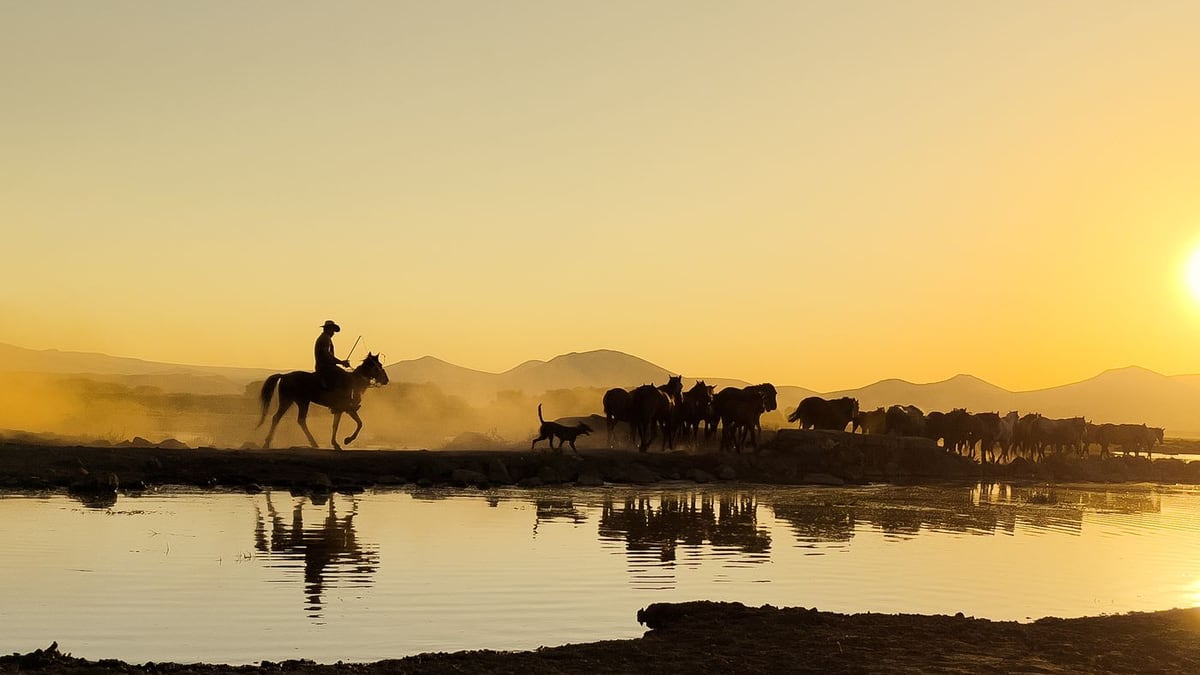
A working drive moved anywhere from a few hundred to a few thousand longhorns, pushed north by a crew of maybe a dozen riders. The herd made ten or fifteen miles on a good day. At that pace a drive from Texas rangeland to a railhead or to Colorado grass took months, months of the same saddle, the same dust, and the same cattle that would rather be anywhere else.
The crew and the chuck wagon
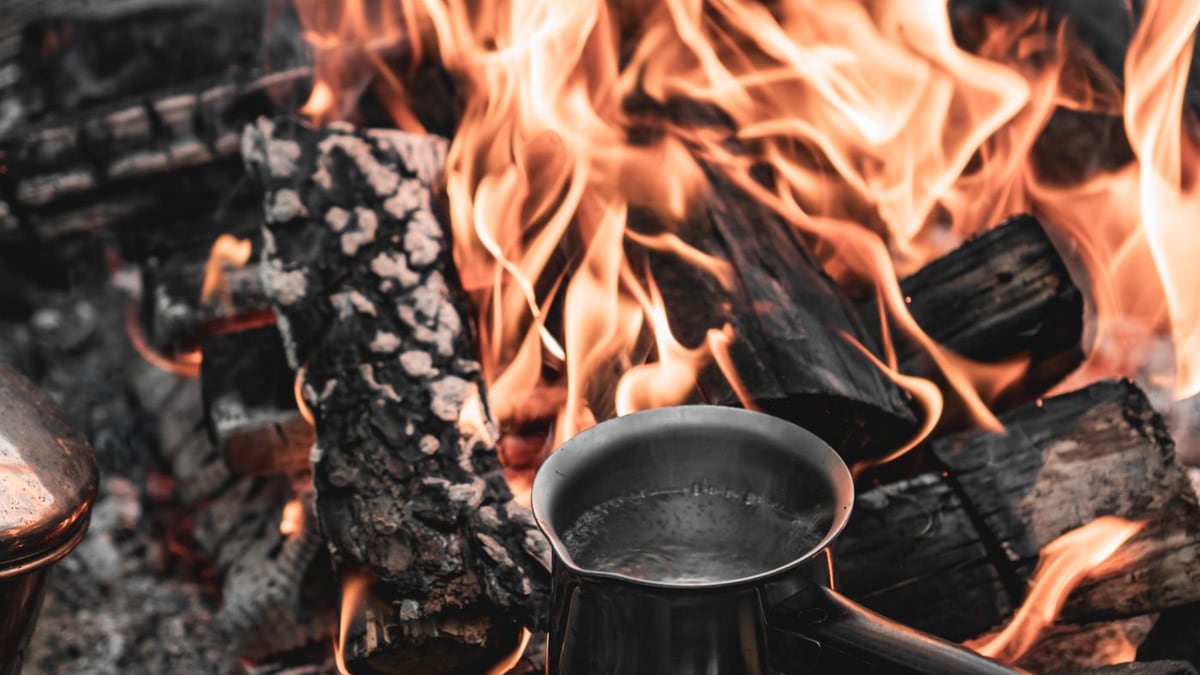
Every hand had a place: point riders up front to set the pace, swing and flank riders holding the herd’s shape, and the drag riders eating dust at the rear, the job that always went to the youngest men. Behind them all rolled the chuck wagon, the drive’s kitchen, supply room, and gathering place. The cook was often the highest-paid man on the crew after the trail boss, and any cowboy who crossed him regretted it long before the next meal.
Rivers, storms, and stampedes
The dangers were not gunfights. They were water and weather. A swollen river crossing could drown cattle and riders alike, and crews sometimes waited days for the water to drop. A lightning storm at night could put three thousand spooked longhorns on their feet and running in a heartbeat, and every rider knew the only cure was to get in front and turn the leaders until the herd wound down into an exhausted circle.
A drive was won or lost in the small hours, at the rivers, and around the cook fire, not at the end of a gun.
Where the saga rides
When Rabbit takes a herd north in Cattle Drive, the trials he faces are the real ones: water, weather, worn-out men, and the rustlers who followed the herds like wolves. The history gives the fiction its weight.
Explore the complete saga and ride the trail with Robert “Rabbit” Gould.